


 June 15-17, 2026 SEPM International Sedimentary Geosciences Congress"Defining the critical role and impact of sedimentology in a sustainable future" Colorado School of Mines • Golden, CO, USA POST MEETING SURVEY HERE |
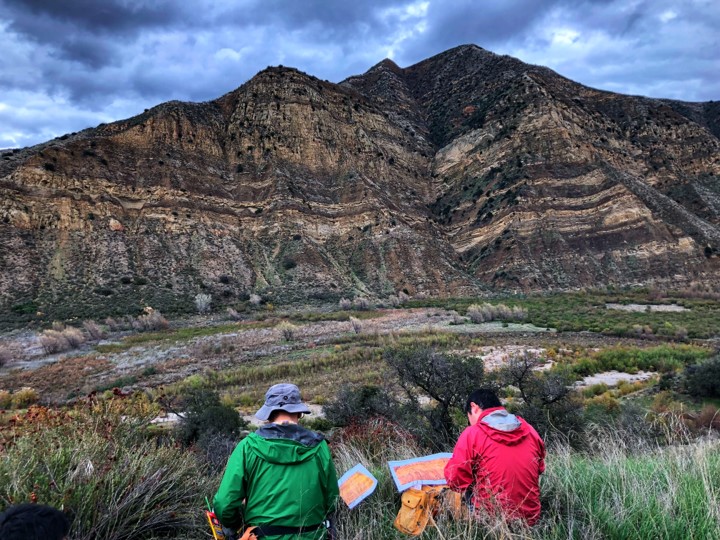
Back by Popular Demand
The next ISGC is hosted at the Colorado School of Mines in Golden, CO — a world-class institution at the foothills of the Rocky Mountains.
This 3-day conference features cutting-edge research, innovative methodologies, and applied case studies demonstrating sedimentology's impact on a sustainable future.
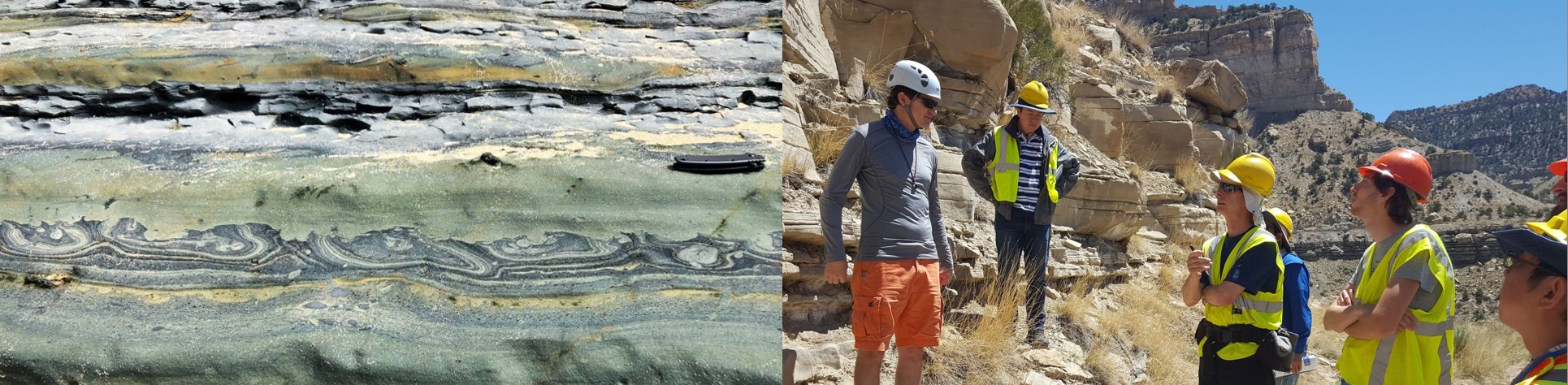
Planned short courses and 1-day field trips precede the meeting, with multi-day field trips after.
Five Key Themes
The program highlights cutting-edge research, innovative methodologies, and applied case studies.
1. Sedimentary Reservoirs, Carbon Mitigation & Energy Transition
Explore sedimentary systems as reservoirs for traditional energy extraction, carbon storage, and emerging energy solutions supporting the energy transition.
2. Water Resources, Hazards, Climate & Society
Sedimentological and stratigraphic processes governing water distribution, extreme events, flood and drought behavior, and societal impacts under climate change.
3. Sedimentary Systems Through Time: Processes & Products
Advances in understanding sedimentary systems across diverse environments, tectonic settings, and geologic time — siliciclastic, carbonate, evaporitic, and mixed systems.
4. Decoding Depositional Systems: Remote Sensing, Modeling & Experimental Stratigraphy
Quantitative and integrative approaches combining remote sensing, numerical models, laboratory experiments, and data-driven methods.
5. Anthropogenic Sediments: Contaminants & the Human Fingerprint
How human activity reshapes sedimentary environments — tracing contaminants, documenting novel sediment types, and evaluating human signals over time.
Program Content
Explore the conference program featuring sessions across all five themes. Join us for three days of cutting-edge sedimentary geoscience.
Conference Schedule Overview
ISGC II Schedule At A Glance.pdf
View Program Plenary Speakers Register HereWhy Attend
Great science and networking are just the beginning. Here is why you should join us in Colorado.
Amazing LocationGolden, Denver, and Colorado are safe, welcoming destinations. Enjoy hiking, kayaking, white water rafting, mountain biking, and nearby National Parks. | Student SupportSEPM offers student travel grants. Low-cost campus housing and meals available on the Mines campus for students, young scientists, and international colleagues. |
Easy TravelFly directly into Denver International Airport with fast immigration. A train runs from DIA to Golden, and we will help arrange campus transport. | Field TripsShort courses and 1-day field trips before the meeting, plus multi-day geological excursions after — exploring Colorado's incredible sedimentary landscapes. |
Sponsorship OpportunitiesSupport this meeting and SEPM's 100th Anniversary. Sponsorship packages are available for organizations of all sizes. | Global CommunityConnect with researchers, industry professionals, and students from around the world — all united by sedimentary geoscience. |
Sponsorship Available
Support the ISGC 2026 and celebrate SEPM's 100th Anniversary. Your organization can make a lasting impact.
Learn About SponsorshipsVenue and Travel
The conference is hosted at the Colorado School of Mines in beautiful Golden, Colorado — gateway to the Rocky Mountains.
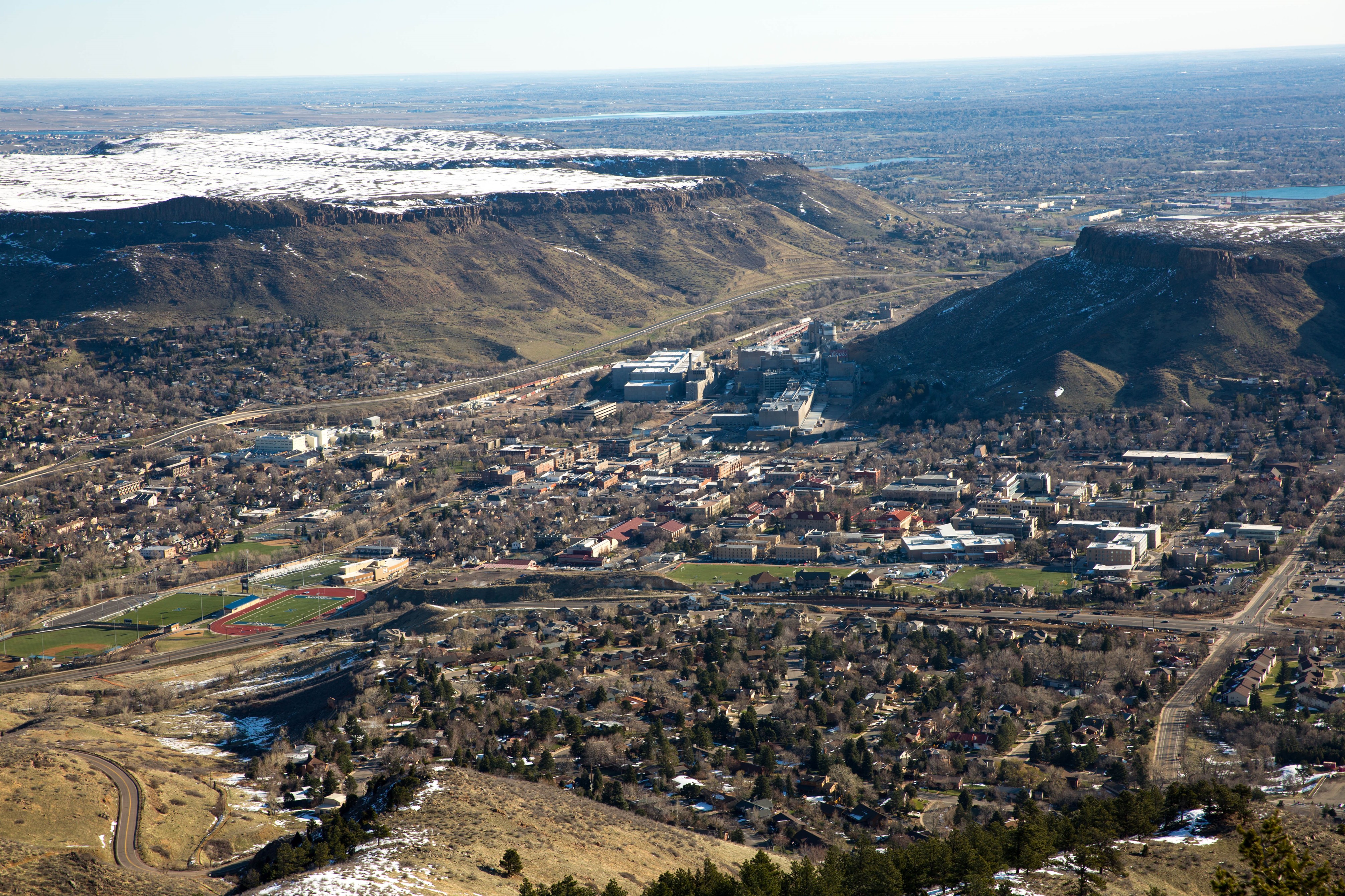
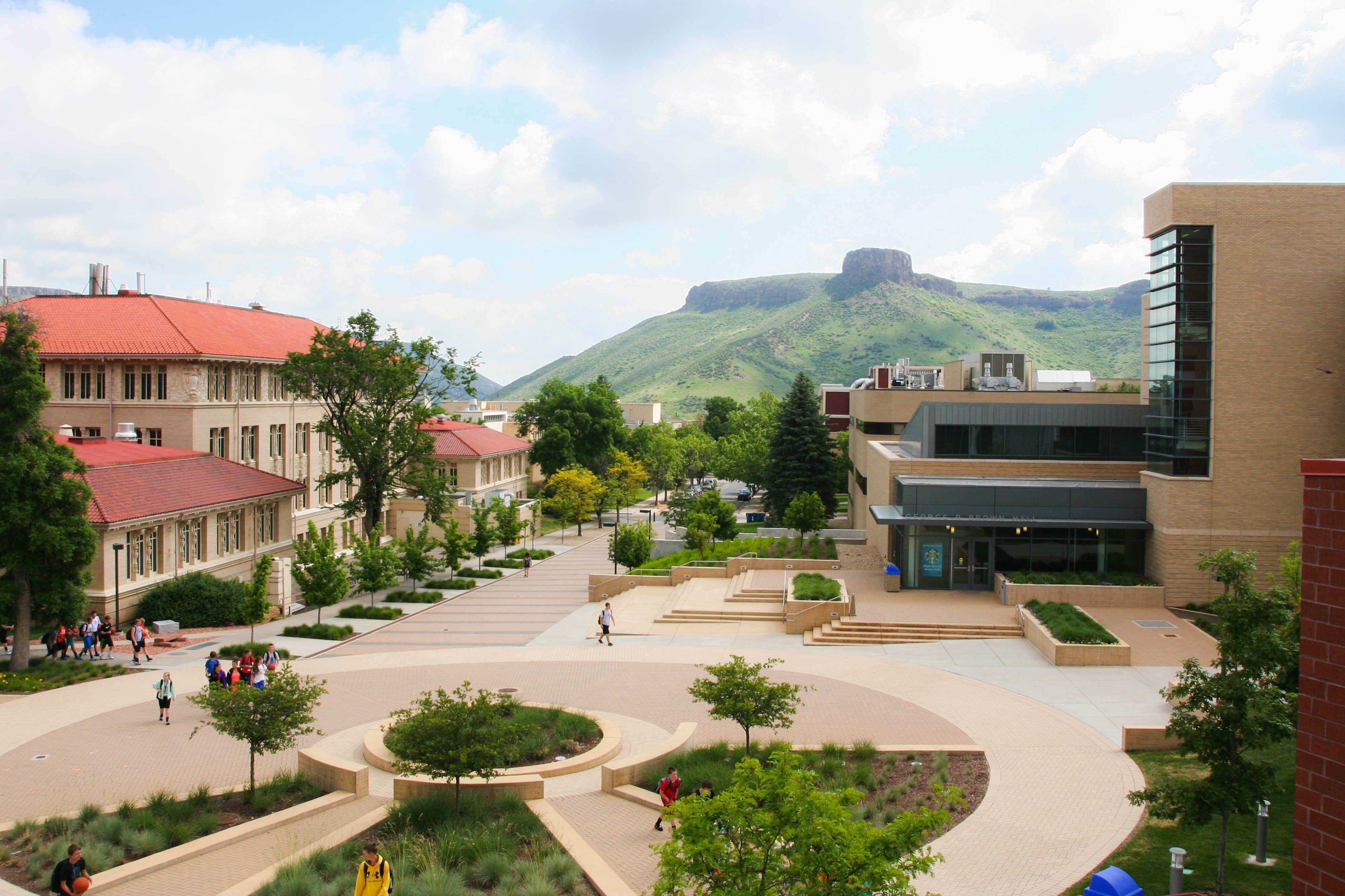
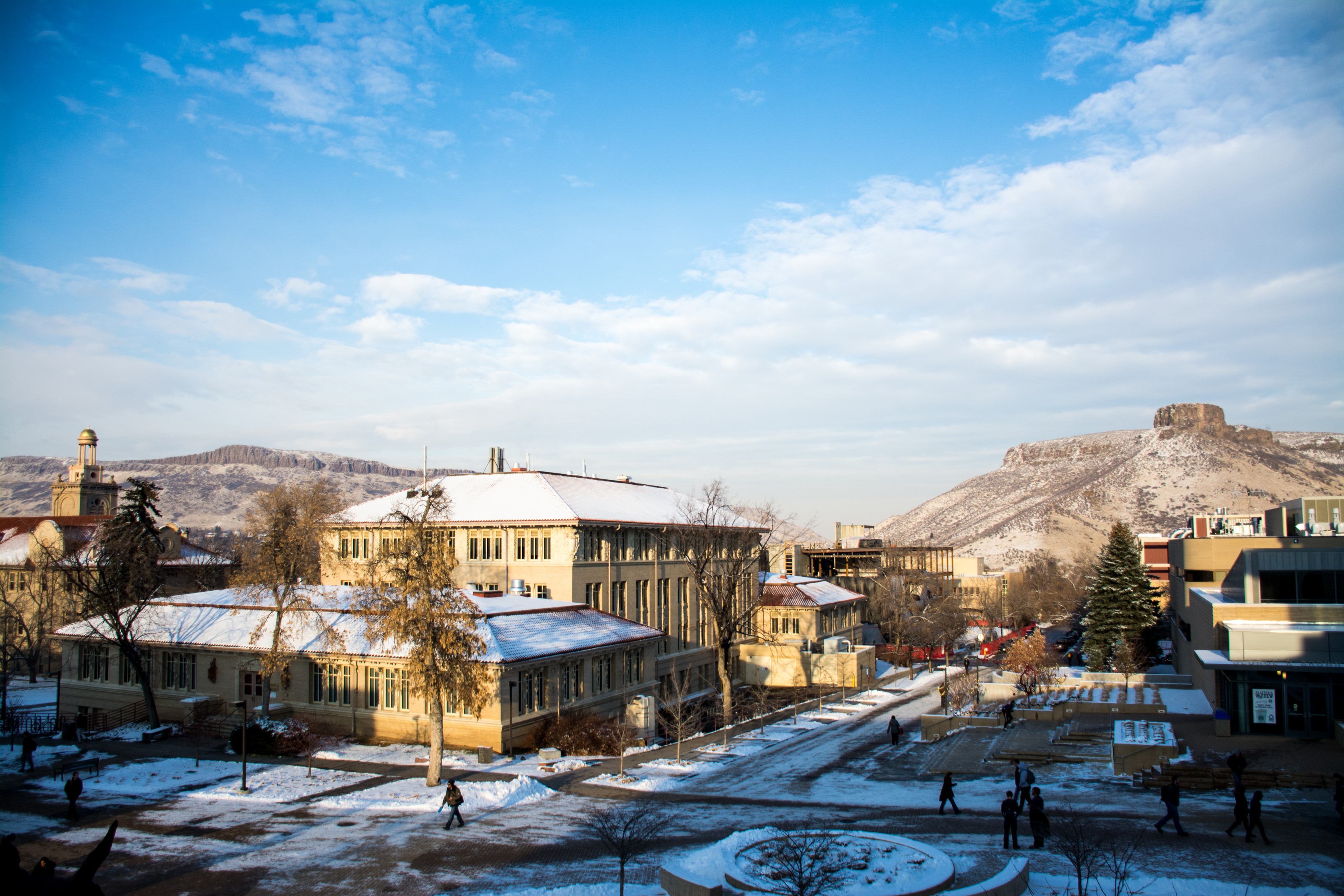
Colorado School of Mines 1500 Illinois St, Golden, CO 80401, USA Conference Dates June 15-17, 2026 with pre- and post-conference field trips | Denver International Airport (DEN) Direct train to Golden available Affordable Campus Housing Low-cost rooms and meals on campus |
Program Planning Committee
The ISGC 2026 is organized by leading researchers across sedimentary geosciences.
International Sedimentary Geosciences Congress
June 15-17, 2026 · Colorado School of Mines · Golden, CO
© 2026 SEPM – Society for Sedimentary Geology. All rights reserved.